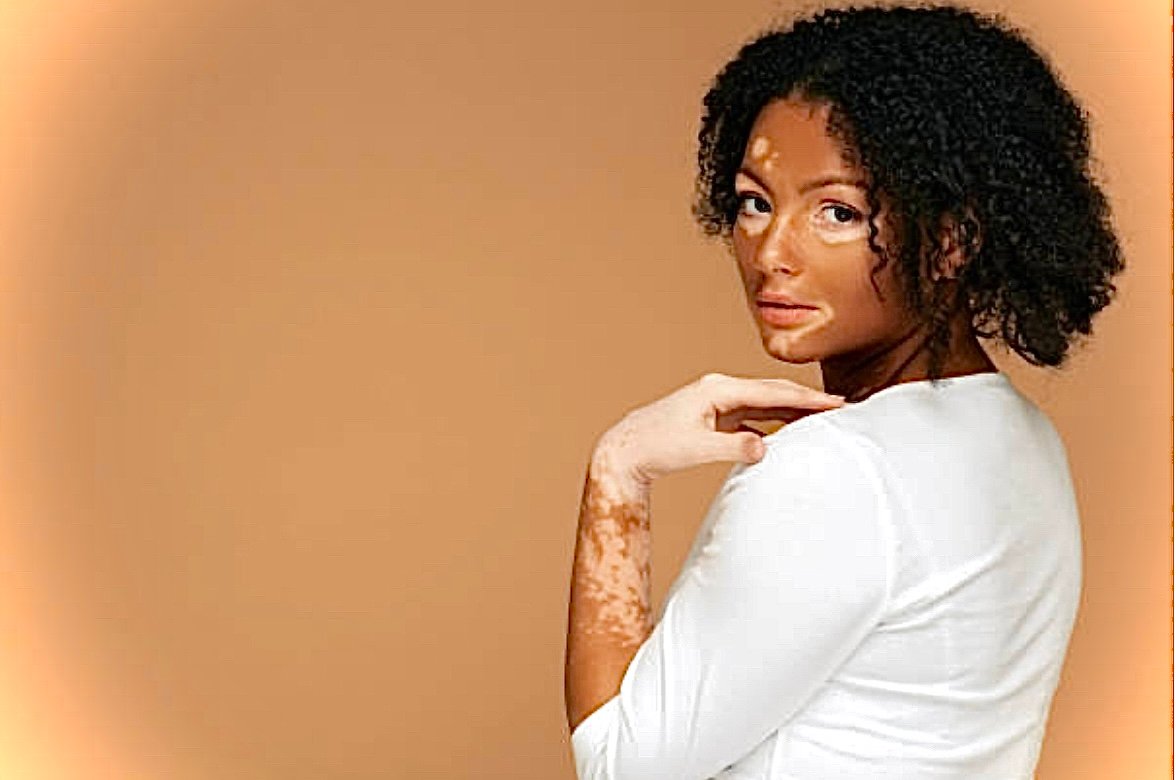
Living with vitiligo can feel like a rollercoaster of emotions. One day you’re okay with your skin, the next you’re Googling miracle cures at 2 AM. Trust me, you’re not alone in this journey. And while there’s no magic wand to wave vitiligo away, there are treatments that genuinely work and plenty that don’t live up to the hype.
Let’s cut through the noise and talk about what’s real and what’s just marketing fluff.
Treatments That Actually Work
Topical Corticosteroids
These are usually your doctor’s first go-to, and for good reason. Topical steroids can help bring back some pigment, especially if you catch the vitiligo early and the patches are still small. They work by calming down your immune system in those specific spots. You’ll need to be patient though—results can take months, and they work best on your face and neck.
Just keep in mind that long-term use can thin your skin, so you’ll need your doctor to monitor you regularly.
Light Therapy (Phototherapy)
If you’ve got vitiligo covering larger areas of your body, light therapy might be your best bet. Narrowband UVB therapy is the most common type, and it’s pretty effective when you stick with it. You’ll need to go for sessions two to three times a week, and yes, it’s a commitment.
There’s also something called PUVA therapy, which combines medication with UVA light. It’s powerful but comes with more side effects, so it’s not usually the first choice anymore.
Excimer Laser
Think of this as targeted light therapy. It’s great for small, stubborn patches that aren’t responding to other treatments. The laser delivers concentrated UVB light right where you need it, which means fewer side effects on your healthy skin. It’s not as time-consuming as full-body phototherapy, but you’ll still need multiple sessions.
Topical Calcineurin Inhibitors
These are newer on the scene and work similarly to steroids but without the skin-thinning side effects. Medications like tacrolimus and pimecrolimus are especially useful for vitiligo on your face and neck. They’re not quite as powerful as steroids, but they’re a solid option for sensitive areas or long-term use.
JAK Inhibitors: The New Kid on the Block
This is exciting stuff. Ruxolitinib cream was recently approved specifically for vitiligo, and it’s showing real promise in clinical trials. It works by blocking certain enzymes that contribute to vitiligo. It’s not a cure-all, but for some people, it’s been a game-changer. Talk to your dermatologist to see if you’re a good candidate.
Surgical Options
When other treatments aren’t cutting it, surgery might be on the table. Skin grafting, blister grafting, and melanocyte transplants can restore pigment to stable patches. But here’s the catch these only work if your vitiligo has been stable for at least a year. If it’s still spreading, surgery isn’t going to help.
Combination Therapy: Better Together
Here’s something your doctor might not have mentioned yet: combining treatments often works better than using just one. For example, pairing topical medications with light therapy can give you better results than either treatment alone. Your dermatologist can create a customized plan that makes sense for your specific situation.
What Doesn’t Work (Despite What the Internet Says)
Miracle Creams and Supplements
If it promises to cure your vitiligo in weeks, it’s lying. There’s no miracle cream, no special vitamin, no herbal supplement that’s going to make vitiligo disappear overnight. Save your money and your hope for treatments that actually have science backing them up.
Homeopathic Remedies
Look, I get it. When conventional medicine feels slow, alternative treatments can seem tempting. But there’s just no solid evidence that homeopathic remedies work for vitiligo. They won’t hurt you, but they probably won’t help either.
Diet Changes Alone
You’ll find tons of articles claiming that cutting out certain foods or loading up on others will cure your vitiligo. While eating healthy is always good for you, there’s no specific diet that’s been proven to reverse vitiligo. Some people claim gluten-free or antioxidant-rich diets help, but the scientific evidence just isn’t there.
Essential Oils
Peppermint oil, ginger oil, whatever oil, they might smell nice, but they’re not bringing your pigment back. There’s zero credible research showing that essential oils treat vitiligo effectively.
The Realistic Timeline
Let’s be honest about expectations. Vitiligo treatments take time we’re talking months, not weeks. You might start seeing improvement after three to six months of consistent treatment, but significant results often take a year or more. And even then, not everyone responds the same way.
Some patches might repigment beautifully while others barely budge. That’s just how vitiligo works, and it’s not your fault if treatment doesn’t work as well as you hoped.
Protecting Your Skin Matters
Whether you’re actively treating your vitiligo or not, sun protection is non-negotiable. The depigmented areas of your skin have zero melanin, which means zero natural sun protection. Use a broad-spectrum SPF 30 or higher every single day, and reapply it regularly. Sunburn on vitiligo patches isn’t just painful it can make the contrast more noticeable.
The Mental Health Side of Things
Here’s something doctors don’t always address: vitiligo affects your mental health just as much as your skin. The emotional toll is real, and you deserve support for that too. If you’re struggling with anxiety, depression, or low self-esteem because of your vitiligo, talk to a therapist who gets it. Support groups online or in-person, can also be incredibly helpful.
You’re allowed to want treatment, and you’re also allowed to embrace your skin as it is. There’s no right or wrong way to feel about your vitiligo.
Working with Your Dermatologist
Finding a dermatologist who specializes in vitiligo (or at least treats it regularly) makes a huge difference. They’ll know about the latest treatments, understand what realistic goals look like, and won’t make you feel dismissed. Don’t be afraid to ask questions, request explanations, or even get a second opinion if something doesn’t feel right.
Conclusion
Vitiligo treatment isn’t one-size-fits-all, and what works for someone else might not work for you. The key is sticking with evidence-based treatments, being patient with the process, and taking care of both your skin and your mental health along the way. Whether you choose to pursue treatment or decide to rock your unique skin exactly as it is, the choice is completely yours.
