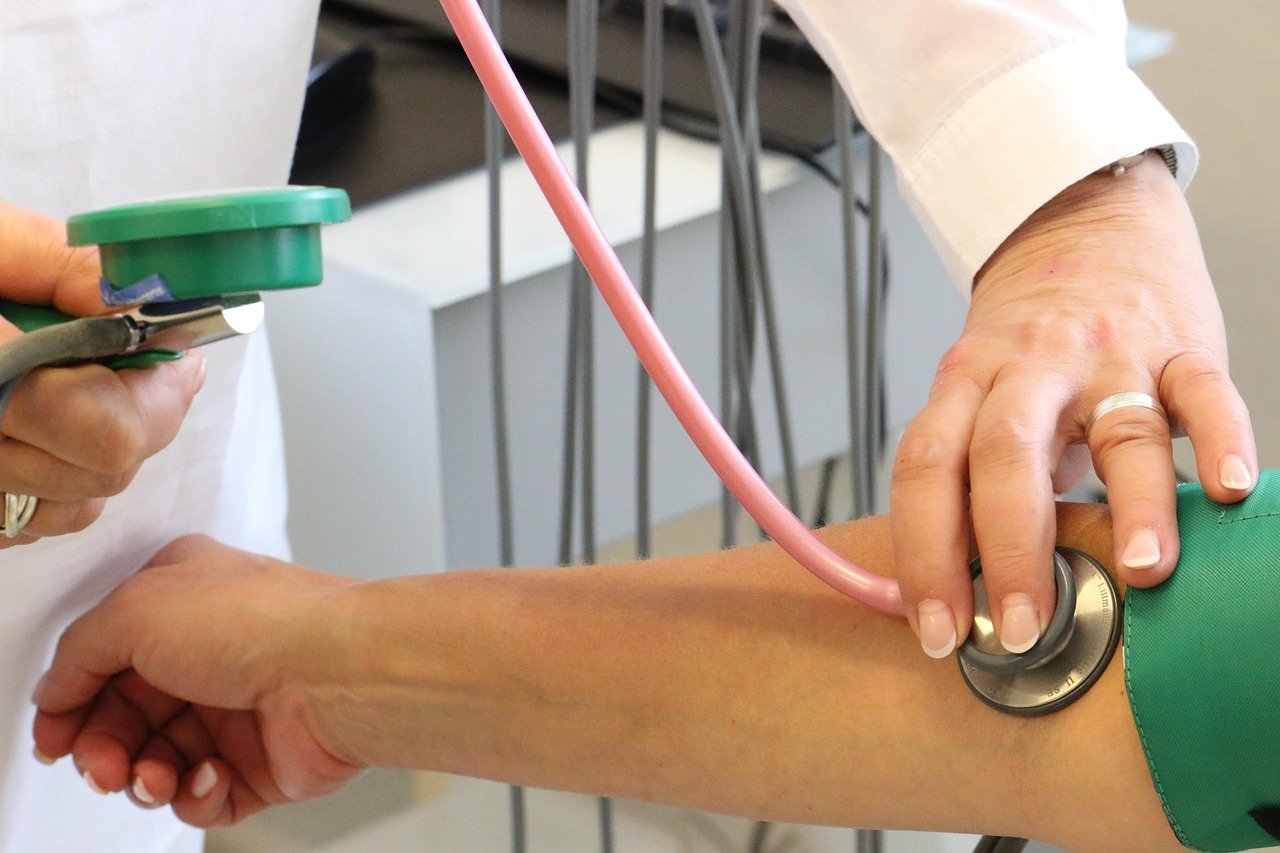
Understanding high blood pressure symptoms is a critical component of personal health management. Often referred to by medical professionals as the “silent killer,” hypertension frequently exists without any outward signs for years. Because the condition develops gradually over time, many individuals remain unaware that their cardiovascular system is under stress until a routine checkup reveals elevated readings. This informational guide explores how the body reacts to elevated pressure and why staying informed is the first step toward maintaining long-term wellness.
Understanding High Blood Pressure Symptoms
In the vast majority of cases, high blood pressure does not cause specific physical sensations. Unlike a common cold or a sprained ankle, which provide immediate sensory feedback, hypertension typically works quietly in the background. It is possible to have dangerously high readings and still feel perfectly fine. This lack of symptoms is precisely why regular screening is emphasized by global health organizations like the World Health Organization (WHO).
Common Misconceptions About Visible Signs
Many people believe they can “feel” when their blood pressure rises. Common myths suggest that symptoms like nervous tension, sweating, difficulty sleeping, or facial flushing are definitive indicators of hypertension. However, clinical evidence suggests that these occurrences are often unrelated to blood pressure levels and are more likely linked to stress or environmental factors. Relying on physical feelings to gauge vascular health is generally considered unreliable.
The Role of Headaches and Nosebleeds
For decades, headaches and nosebleeds were thought to be primary high blood pressure symptoms. Current medical consensus suggests that unless the blood pressure is extremely high, these symptoms may not be direct indicators of the condition. While a severe headache might occur during a hypertensive crisis, it is rarely a reliable sign of chronic stage-one or stage-two hypertension. Most nosebleeds are caused by dry air or local trauma to the nasal passages rather than systemic pressure.
Recognizing a Hypertensive Crisis
While chronic hypertension is usually asymptomatic, there is a specific state known as a hypertensive crisis. This occurs when blood pressure spikes suddenly and severely. In these rare instances, the body may exhibit visible signs that require immediate attention from a qualified healthcare professional. Understanding these acute signals is vital for safety, even if they are not present in daily life.
- Severe Chest Pain: A feeling of intense pressure or tightness in the chest area.
- Severe Headache: Often described as the worst headache of one’s life, sometimes accompanied by confusion.
- Blurred Vision: Sudden changes in sight or visual disturbances.
- Nausea and Vomiting: Unexplained stomach distress often paired with other acute symptoms.
- Shortness of Breath: Difficulty breathing even while at rest.
- Seizures or Unresponsiveness: In extreme cases where the brain may be affected by the pressure.
The Importance of Regular Monitoring
Since symptoms are unreliable, the only definitive way to know one’s status is through measurement. Health experts recommend that adults have their blood pressure checked at least once every two years if their readings are consistently low, and more frequently if they have previously shown elevated numbers. This proactive approach ensures that any shifts in cardiovascular health are identified before they cause significant internal damage.
Risk Factors That Influence Symptom Awareness
While symptoms may not be present, certain risk factors make monitoring even more essential. Genetics, age, and lifestyle choices all play a role in how the body handles arterial pressure. Individuals with a family history of cardiovascular issues should be particularly vigilant, as the “silent” nature of the condition can be hereditary.
Age and Vascular Elasticity
As the body ages, blood vessels naturally lose some of their elasticity. This stiffening of the arteries can lead to a gradual increase in systolic blood pressure. Because this change happens over decades, the body often adapts to the higher pressure, masking any potential discomfort that a sudden spike might otherwise cause. This adaptation is another reason why high blood pressure symptoms often remain elusive for the elderly population.
Lifestyle and Environmental Impacts
High sodium intake, lack of physical activity, and tobacco use are significant contributors to elevated pressure. In these cases, a person might feel “sluggish” or “unfit,” but they often attribute these feelings to their habits rather than the underlying physiological pressure on their heart and kidneys. Distinguishing between general fatigue and the subtle effects of hypertension is difficult without diagnostic tools.
Potential Long-Term Effects of Unmonitored Pressure
If high blood pressure symptoms are ignored or remain undetected, the body undergoes quiet but significant stress. Over time, the constant force of blood against artery walls can lead to various complications. Understanding these potential outcomes highlights why early detection through screening is so highly valued in the medical community.
- Heart Health: The heart must work harder to pump blood, which can lead to thickening of the heart muscle.
- Kidney Function: High pressure can damage the delicate blood vessels in the kidneys, potentially affecting their ability to filter waste.
- Vision Health: Small vessels in the eyes are susceptible to damage from high pressure, potentially impacting sight over time.
- Arterial Integrity: Chronic pressure can lead to the weakening of vessel walls, increasing the risk of aneurysms.
Conclusion
In summary, the most important thing to remember about high blood pressure symptoms is that they are rarely present. The absence of feeling “sick” does not guarantee that one’s blood pressure is within a healthy range. Because hypertension is a quiet condition, the best strategy for health preservation is regular, professional screening and maintaining a transparent dialogue with a healthcare provider. By prioritizing data over physical sensations, individuals can take a proactive stance in managing their cardiovascular well-being. Always consult a qualified medical professional to discuss individual readings and to develop a personalized health plan based on accurate diagnostics rather than symptoms alone.
