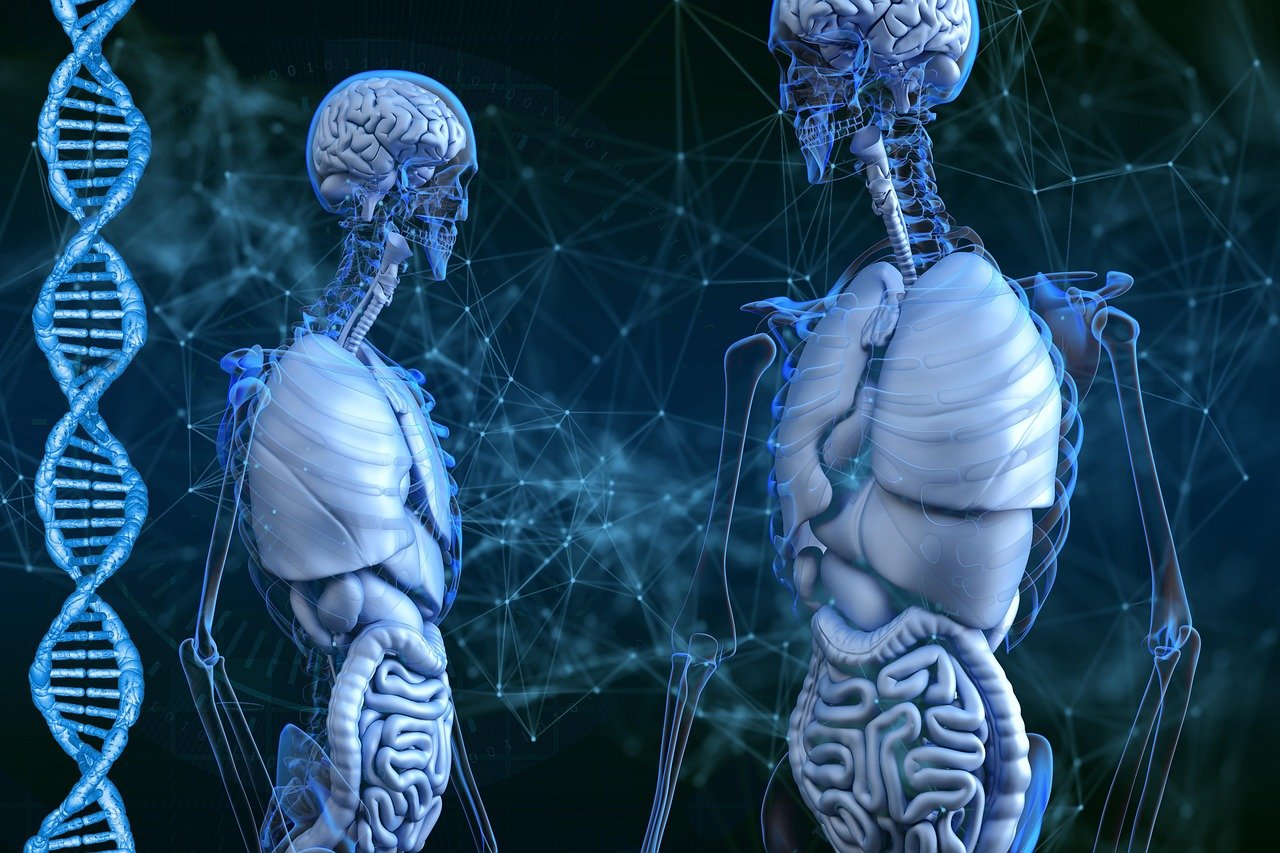
Have you ever wondered if that persistent “gut feeling” or the sudden fluttering of “butterflies” in your stomach is more than just a metaphor for nerves? It is a startling realization for many that your digestive system does much more than simply process the food you eat. In fact, modern science has revealed that your gastrointestinal tract is in constant, high-speed dialogue with your mind. Can your gut communicate with your brain? Understanding the gut-brain connection is essential to grasping how your body maintains its delicate internal balance, as these two organs are linked by a complex network of nerves, chemicals, and microbes.
The Architecture of the Gut-Brain Axis
The relationship between your gut and your brain is often referred to by scientists as the “gut-brain axis.” This is not a single physical structure but a bidirectional communication system that uses several pathways to send signals back and forth. Much like a two-way highway, the brain sends messages to the gut, and the gut sends an even larger volume of information back to the brain.
The Role of the Vagus Nerve
One of the primary physical links in this connection is the vagus nerve. This is the longest nerve in your body, originating in the brainstem and extending all the way down to the abdomen. It acts as a direct telephone line between the two organs. Researchers have noted that the vagus nerve is responsible for transmitting signals regarding hunger, satiety, and the presence of certain nutrients or pathogens in the digestive tract.
The Enteric Nervous System: Your “Second Brain”
Did you know your gut contains so many neurons that it is often called your “second brain”? Formally known as the enteric nervous system (ENS), this network consists of millions of neurons embedded in the lining of the gastrointestinal system. While the ENS cannot compose a symphony or solve math equations, its primary role is to manage digestion independently. However, because it is so densely packed with nerve cells, it is highly sensitive to signals coming from the central nervous system.
Chemical Messengers: Neurotransmitters and the Microbiome
The communication between your head and your stomach isn’t just electrical; it is also chemical. Your gut and the billions of bacteria living within it produce many of the same chemicals that the brain uses to regulate mood and cognition.
Serotonin and Dopamine Production
Interestingly, a significant portion of the body’s serotonin—a neurotransmitter often associated with feelings of well-being—is produced in the gut rather than the brain. Similarly, dopamine and gamma-aminobutyric acid (GABA) are produced by gut cells and certain strains of bacteria. These chemicals may play a role in the signaling process that influences how you feel on a daily basis.
The Impact of the Microbiome
The trillions of microorganisms living in your intestines, collectively known as the gut microbiome, are active participants in this conversation. These microbes break down dietary fiber into short-chain fatty acids (SCFAs). These SCFAs can interact with the immune system and the lining of the gut to send signals that ultimately reach the brain. A diverse and balanced microbiome is generally associated with a more robust gut-brain connection.
How the Gut-Brain Connection Influences Daily Life
Because the gut and brain are so closely linked, what happens in one often reflects in the other. This explains why emotional experiences often manifest as physical sensations in the digestive tract.
- Stress and Digestion: When the brain perceives a stressful situation, it activates the “fight or flight” response. This can lead to a slowing down or speeding up of digestion as the body diverts resources to more immediate survival needs.
- Appetite and Cravings: Hormones produced in the gut, such as ghrelin and leptin, travel through the bloodstream or signal via the vagus nerve to tell the brain when it is time to eat or when the body is full.
- Immune System Support: Since a large portion of the immune system resides in the gut, the communication between gut bacteria and the brain helps the body recognize and respond to potential threats.
- Mood Regulation: The bidirectional flow of information means that gastrointestinal comfort or discomfort can significantly influence a person’s general sense of calmness or irritability.
Supporting a Healthy Gut-Brain Dialogue
While the gut-brain axis functions automatically, certain lifestyle choices can support the clarity of this communication. Understanding these factors can help you appreciate the complexity of your internal systems.
Dietary Diversity
A diet rich in diverse plant-based foods, fiber, and fermented products can support a flourishing microbiome. Fiber acts as fuel for beneficial bacteria, which in turn produce the metabolites necessary for signaling the brain. Fermented foods like yogurt, kefir, and sauerkraut contain live cultures that contribute to the microbial environment.
Mindfulness and Relaxation
Since the vagus nerve is a key player in the parasympathetic nervous system (the “rest and digest” system), activities that promote relaxation can help improve the quality of signals sent between the gut and the brain. Deep breathing, regular physical activity, and adequate sleep all contribute to a more stable internal environment.
FAQs
Can my gut really affect my mood?
Yes, research indicates that the gut-brain axis allows the digestive system to influence the brain’s emotional centers. Chemicals like serotonin produced in the gut are essential for mood regulation.
What is the vagus nerve’s primary job?
The vagus nerve acts as the main communication highway, transmitting signals between the brain and various internal organs, including the heart, lungs, and digestive tract.
How do gut bacteria talk to the brain?
Gut bacteria communicate by producing metabolites like short-chain fatty acids and neurotransmitters, which can stimulate the vagus nerve or enter the bloodstream to signal the brain.
Does stress cause stomach issues?
Stress can influence the speed of digestion and the sensitivity of the gut lining because the brain sends signals to the enteric nervous system during times of tension.
What are the best foods for the gut-brain connection?
Fiber-rich vegetables, fruits, whole grains, and fermented foods are generally considered beneficial, as they support a diverse microbiome which is central to the gut-brain axis.
Conclusion
The gut-brain connection is one of the most fascinating areas of human biology, proving that our bodies are far more integrated than once thought. By understanding that your gut can indeed communicate with your brain, you can better appreciate the complex symphony of signals that keep you functioning every day. While this information is strictly for educational purposes, it highlights the importance of listening to your body. For any persistent digestive or mental health concerns, always consult with a qualified healthcare professional.
