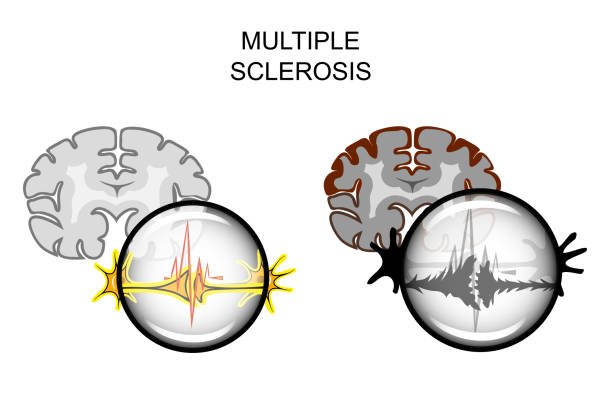
Understanding the intricate pathways of the human body is often the first step toward self-advocacy and health literacy. When considering how multiple sclerosis affects the nervous system, it is essential to view the body as a complex electrical network where every signal relies on a perfectly insulated conduit. For individuals exploring this topic, the interaction between the immune system and the central nervous system (CNS) reveals a fascinating, albeit challenging, biological process that defines the progression of MS.
The Biological Mechanism of Multiple Sclerosis
Multiple sclerosis is primarily recognized as an immune-mediated disorder. In a healthy body, the immune system acts as a guardian, protecting against foreign invaders like bacteria and viruses. However, in the case of MS, the immune system mistakenly identifies the body’s own nerve fibers as threats. This internal conflict takes place within the central nervous system, which consists of the brain, spinal cord, and optic nerves.
The Role of Myelin in Nerve Communication
To understand the impact of MS, one must first understand myelin. Myelin is a fatty, protective coating that surrounds nerve fibers, much like the plastic insulation on a copper wire. Its primary purpose is to facilitate the rapid transmission of electrical impulses between the brain and the rest of the body.
When MS occurs, the immune system attacks this protective sheath, leading to inflammation and eventual damage. This process is known as demyelination. When the insulation is stripped away, the electrical signals traveling along the nerves can slow down, become distorted, or be blocked entirely. Over time, repeated attacks can lead to the formation of scar tissue, or sclerosis, which gives the condition its name.
Impact on Central Nervous System Structures
The way multiple sclerosis affects the nervous system varies depending on which part of the CNS is under attack. Because the CNS is the command center for the entire body, the location of the lesions (damaged areas) determines the specific symptoms a person might experience.
The Brain and Cognitive Function
Lesions in the brain can disrupt various high-level functions. The brain’s white matter, which contains the majority of the nerve fibers, is frequently targeted. This can result in changes to memory, processing speed, and emotional regulation. Because the brain is responsible for interpreting sensory input, damage here can also lead to issues with spatial awareness and coordination.
The Spinal Cord and Motor Control
The spinal cord acts as the primary highway for signals traveling from the brain to the limbs. When demyelination occurs in the spinal cord, it often affects motor skills and physical sensation. Common impacts include:
- Muscle Weakness: Disrupted signals can make it difficult for muscles to receive commands to move.
- Sensory Alterations: Individuals may feel numbness, tingling, or the sensation of “pins and needles” because sensory data is corrupted during transit.
- Balance and Gait: Damage to the pathways responsible for proprioception can make walking or maintaining balance significant challenges.
The Optic Nerves
For many, the first sign of how multiple sclerosis affects the nervous system involves the optic nerves. Optic neuritis, an inflammation of the nerve that transmits visual information to the brain, can cause blurred vision, pain during eye movement, or temporary loss of vision. This occurs because the nerve becomes unable to efficiently carry light signals from the retina to the visual cortex.
The Process of Inflammation and Repair
One of the most complex aspects of MS is the cycle of inflammation and potential repair. The nervous system is not entirely passive; it has a limited ability to repair damaged myelin through a process called remyelination. However, this repair is often incomplete, and as the condition progresses, the ability of the cells (oligodendrocytes) to fix the myelin sheath may diminish.
Relapsing vs. Progressive Damage
In many instances, the nervous system experiences bouts of active inflammation followed by periods of relative quiet. During the quiet phases, the brain may compensate for damaged areas by rerouting signals through healthy pathways—a phenomenon known as neuroplasticity. In progressive forms of the condition, however, there is a more steady decline in nerve function as the underlying nerve fibers (axons) themselves begin to deteriorate, leading to more permanent neurological changes.
Factors Influencing Nervous System Vulnerability
While the exact cause of the immune system’s deviation remains a subject of intense global research, several factors are believed to influence how the nervous system is affected. These include genetic predispositions, environmental factors, and viral exposures. Research suggests that the combination of these elements may trigger the immune system to cross the blood-brain barrier, a protective layer that normally prevents harmful substances and immune cells from entering the brain tissue.
Final Guide: Understanding the Nervous System Impact
Navigating the complexities of neurological health requires a structured approach to information. Here is a step-by-step summary of the primary ways MS interacts with the body:
- Identify the Core Process: Recognize that the primary issue is an immune-mediated attack on myelin, the protective insulation of the nerves.
- Locate the Damage: Understand that symptoms are directly related to the location of lesions within the brain, spinal cord, or optic nerves.
- Monitor Signal Disruptions: Observe how slowed or blocked nerve impulses manifest as physical or cognitive changes, such as fatigue, numbness, or memory lapses.
- Consult Professionals: Use this foundational knowledge to engage in informed discussions with neurologists or healthcare providers regarding diagnostic tests like MRIs, which visualize these nervous system changes.
- Prioritize Nervous System Health: Focus on general wellness strategies that support neurological resilience, including adequate rest and stress management, to help the body manage the stress of chronic inflammation.
Disclaimer: This article is for informational purposes only and does not constitute medical advice. Always seek the advice of a physician or other qualified health provider with any questions you may have regarding a medical condition.
