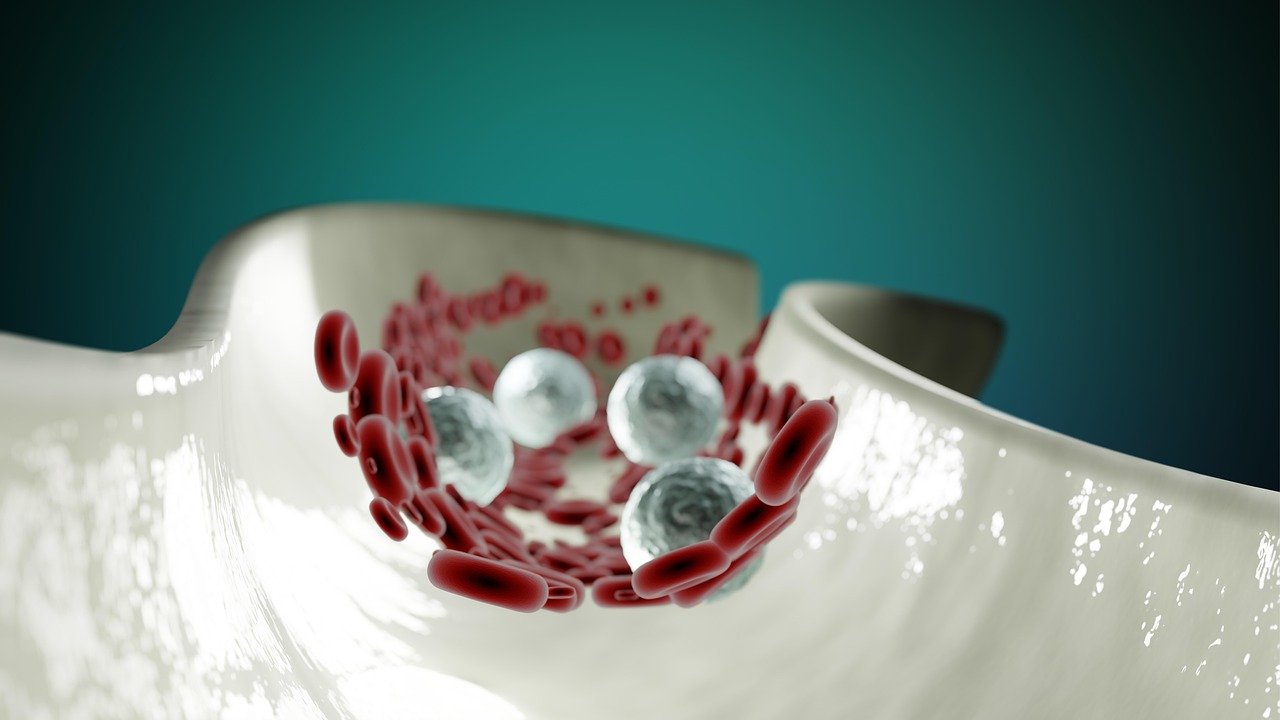
Understanding how the immune system works is like discovering a silent, invisible guardian that operates every second of your life without a single command. In a world teeming with microscopic entities, your survival depends on a sophisticated network of biological processes that distinguish between your own healthy cells and foreign invaders. This internal security system is so precise and reactive that it often identifies and neutralizes threats before you even realize you have been exposed to them. Exploring this biological masterpiece reveals not just the resilience of the human body, but the fascinating complexity of nature’s own defense architecture.
The Architecture of Immunity
The immune system is not a single organ but a vast, interconnected network of cells, tissues, and organs. Together, they form a multi-layered defense strategy designed to detect, communicate, and eliminate pathogens such as bacteria, viruses, and fungi.
The Primary Barriers
Defense begins at the perimeter. The first line of protection consists of physical and chemical barriers that prevent intruders from entering the bloodstream or internal organs. The skin is the most prominent example, acting as a waterproof shield. Mucous membranes lining the respiratory and digestive tracts also play a critical role by trapping particles and using enzymes to break down microbial cell walls.
The Lymphatic System
Often described as the body’s drainage system, the lymphatic system is essential to how the immune system works. It consists of lymph nodes, the spleen, and the thymus. Lymph nodes act as filtration centers where immune cells congregate to inspect the fluid (lymph) for signs of infection. If a pathogen is detected, these nodes can swell, indicating that the body is mounting a response.
Innate vs. Adaptive Immunity
Scientists generally categorize the immune response into two main branches: the innate system and the adaptive system. Both are vital, but they function in different ways.
The Innate Immune System: The First Responders
The innate system is the defense mechanism you are born with. It provides a rapid, non-specific response to threats. When a pathogen breaches the physical barriers, innate cells—such as neutrophils and macrophages—are the first to arrive at the scene. They identify common patterns found on many germs and attempt to consume or destroy them. This process often triggers inflammation, which increases blood flow to the area to bring in more specialized help.
The Adaptive Immune System: The Specialized Force
If the innate system cannot neutralize a threat, the adaptive immune system takes over. This part of the system is highly specific; it learns to recognize particular invaders. While it takes longer to activate, its response is powerful. The adaptive system is characterized by its memory, which allows the body to recognize and fight the same pathogen more effectively if it returns in the future.
The Role of White Blood Cells
White blood cells, or leukocytes, are the primary actors in the body’s defense story. They circulate through the blood and lymphatic vessels, constantly patrolling for anomalies.
Phagocytes
These cells function as the “clean-up crew.” They identify invaders and essentially swallow them. A well-known type of phagocyte is the macrophage, which can stay in tissues for long periods, acting as a permanent sentry.
Lymphocytes
Lymphocytes are the heavy hitters of the adaptive system. They are divided into two main categories:
- B Cells: These produce antibodies. Antibodies are specialized proteins that lock onto specific antigens (markers) on the surface of a pathogen, marking it for destruction or helping prevent it from entering healthy cells.
- T Cells: These have multiple roles. “Helper T cells” coordinate the immune response by sending chemical signals to other cells. “Cytotoxic T cells” directly attack and destroy host cells that have been compromised by a virus or have become cancerous.
The Mechanism of Recognition
A fundamental aspect of how the immune system works is the ability to distinguish between “self” and “non-self.” Every cell in your body carries unique protein markers. The immune system learns to ignore these markers. When it encounters a cell or a protein without these familiar markers, it identifies it as an antigen and initiates a response. Problems arise when this recognition fails, leading to instances where the system may mistakenly target healthy tissue.
Maintaining System Balance
The immune system is most effective when it is in a state of balance. Overactivity can lead to unnecessary inflammation, while underactivity leaves the body vulnerable. While genetics play a role, the system’s efficiency may also be influenced by environmental factors and general physiological health.
The Gut-Immune Connection
A significant portion of the immune system is located in the gut. The microbiome—the trillions of bacteria living in the digestive tract—communicates constantly with immune cells. Research suggests that a diverse and healthy microbiome helps educate the immune system, ensuring it reacts appropriately to threats while remaining tolerant of harmless substances like food.
The Impact of Stress and Sleep
Physiological stress triggers the release of cortisol, which can suppress immune function if levels remain high for extended periods. Conversely, sleep is a time of intense immunological activity. During rest, the body produces cytokines, which are proteins that help the immune system communicate and fight infections.
Final Guide: Understanding Your Body’s Defense
While the immune system is a complex biological machine, its primary functions can be summarized through these key operational steps. Understanding these helps in appreciating the importance of supporting overall biological health.
- Detection: The system constantly scans for foreign antigens using specialized receptors on white blood cells.
- Communication: Once an invader is found, cells release chemical signals called cytokines to recruit more specialized defenders to the site.
- Neutralization: The body uses a combination of antibodies (to tag invaders) and T cells (to destroy infected cells) to stop the spread of the pathogen.
- Memory Creation: After the threat is cleared, “memory” B and T cells remain in the body. This provides long-term protection, often ensuring a faster response if the same pathogen is encountered again.
- Consultation: If you have concerns about your immune health or persistent symptoms, it is always appropriate to consult a qualified healthcare professional for personalized guidance based on your medical history.
