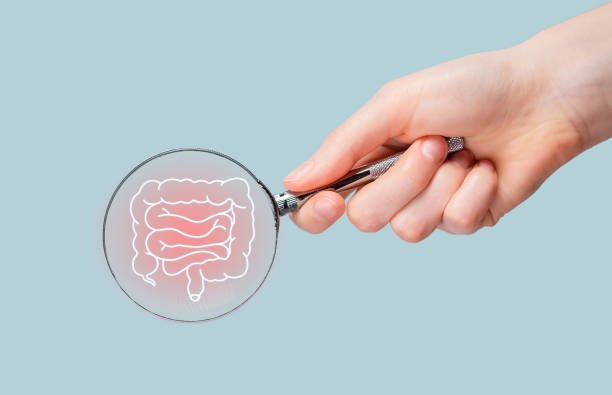
Deep within the human body lies a complex, bustling metropolis that functions as a silent conductor of our biological processes. While we often think of ourselves as single organisms, we are actually host to trillions of microscopic life forms that outnumber our own human cells. Understanding what the gut microbiome is and why it matters is no longer just a niche interest for scientists; it has become a fundamental pillar of modern health awareness. This internal ecosystem, consisting of bacteria, fungi, and viruses, acts as a secondary organ, influencing how we process nutrients and how our bodies defend against external threats.
Defining the Gut Microbiome: An Internal Ecosystem
The gut microbiome refers to the vast community of microorganisms inhabiting the gastrointestinal tract, particularly the large intestine. Far from being simple passengers, these microbes exist in a symbiotic relationship with their host. From the moment of birth, the composition of this ecosystem begins to take shape, influenced by genetics, environment, and early life exposures.
The Composition of the Microbiota
While the terms “microbiota” and “microbiome” are often used interchangeably, they have distinct meanings. The microbiota refers to the actual living organisms, while the microbiome refers to the collection of their genetic material. This genetic library is remarkably diverse, containing millions of unique genes that provide the body with functions human DNA cannot perform on its own.
Diversity and Balance
A resilient microbiome is typically characterized by high diversity. A wide variety of bacterial species ensures that if one population fluctuates, others can step in to maintain critical functions. When this balance is disrupted—a state known as dysbiosis—it can potentially lead to a breakdown in the communication between the gut and the rest of the body.
Why the Gut Microbiome Matters to Human Biology
The importance of the gut microbiome extends beyond simple digestion. Research suggests that these microbes are active participants in systemic health, serving as a bridge between the food we consume and our physiological responses. To understand what the gut microbiome is and why it matters, one must look at its multi-functional role in the body.
1. Nutrient Absorption and Metabolism
The human body lacks the enzymes necessary to break down certain complex carbohydrates and dietary fibers. Gut bacteria ferment these fibers, producing short-chain fatty acids (SCFAs) like butyrate, propionate, and acetate. These SCFAs serve as a primary energy source for the cells lining the colon and may play a role in regulating blood sugar levels and lipid metabolism.
2. The Training Ground for Immunity
It is estimated that approximately 70% to 80% of the human immune system is located within the gut. The microbiome serves as a “training academy” for immune cells, helping them to distinguish between harmless food proteins and dangerous pathogens. A well-functioning microbiome may help prevent the immune system from becoming overactive or underactive.
3. The Gut-Brain Axis
The bidirectional communication link between the central nervous system and the enteric nervous system is known as the gut-brain axis. Microbes produce neurotransmitters, such as serotonin and gamma-aminobutyric acid (GABA), which can influence mood and cognitive function. This connection explains why digestive distress is often accompanied by feelings of stress or brain fog.
Factors That Shape Your Microbial Landscape
No two microbiomes are exactly alike; even identical twins possess different microbial profiles. Several lifestyle factors contribute to the flourishing or the decline of these beneficial populations.
- Dietary Variety: A diet rich in diverse plant-based foods provides the various types of fiber needed to feed different bacterial strains.
- Environmental Exposure: Spending time in nature and interacting with animals can increase the diversity of microbes we are exposed to.
- Sleep and Circadian Rhythms: Microbes follow their own biological clocks. Irregular sleep patterns can disrupt the metabolic activity of gut bacteria.
- Stress Levels: Chronic stress may alter the permeability of the gut lining and change the composition of the microbiota.
- Medications: Certain medications, such as antibiotics, can significantly impact microbial diversity.
The Role of Prebiotics and Probiotics
To maintain a healthy microbial balance, the body requires both the organisms themselves and the fuel they need to survive. These are categorized as probiotics and prebiotics.
Probiotics: The Beneficial Guests
Probiotics are live microorganisms found in fermented foods like yogurt, kefir, sauerkraut, and kimchi. When consumed, they can temporarily join the gut community and may contribute to a healthier environment by competing with less desirable bacteria.
Prebiotics: The Microbial Fuel
Prebiotics are non-digestible fibers that act as food for the beneficial bacteria already residing in the gut. Found in foods like garlic, onions, bananas, and asparagus, prebiotics are essential for helping existing populations thrive and multiply.
Scientific Outlook and Ongoing Research
Modern science is beginning to uncover the extent of microbial influence. Current studies are investigating how the microbiome interacts with chronic conditions, metabolic health, and even skin health. As sequencing technology improves, the ability to map these communities becomes more precise, offering a clearer picture of how internal balance contributes to long-term vitality.
Final Guide: Steps for Supporting Gut Health
While the science is complex, supporting your internal ecosystem involves practical, daily choices. Here is a summary of how to support your microbiome:
- Increase Plant Diversity: Aim for a wide variety of fruits, vegetables, legumes, and whole grains each week to provide diverse fiber sources.
- Prioritize Whole Foods: Reduce the intake of highly processed foods that are often stripped of natural fibers and contain additives that may disrupt the gut lining.
- Include Fermented Foods: Incorporate natural sources of probiotics into your meals to introduce beneficial strains to your system.
- Stay Hydrated: Water is essential for the mucosal lining of the intestines and helps the movement of fiber through the digestive tract.
- Consult a Professional: Before making significant changes to your diet or starting new health regimens, always consult with a healthcare professional or a registered dietitian to ensure the approach is right for your specific needs.
