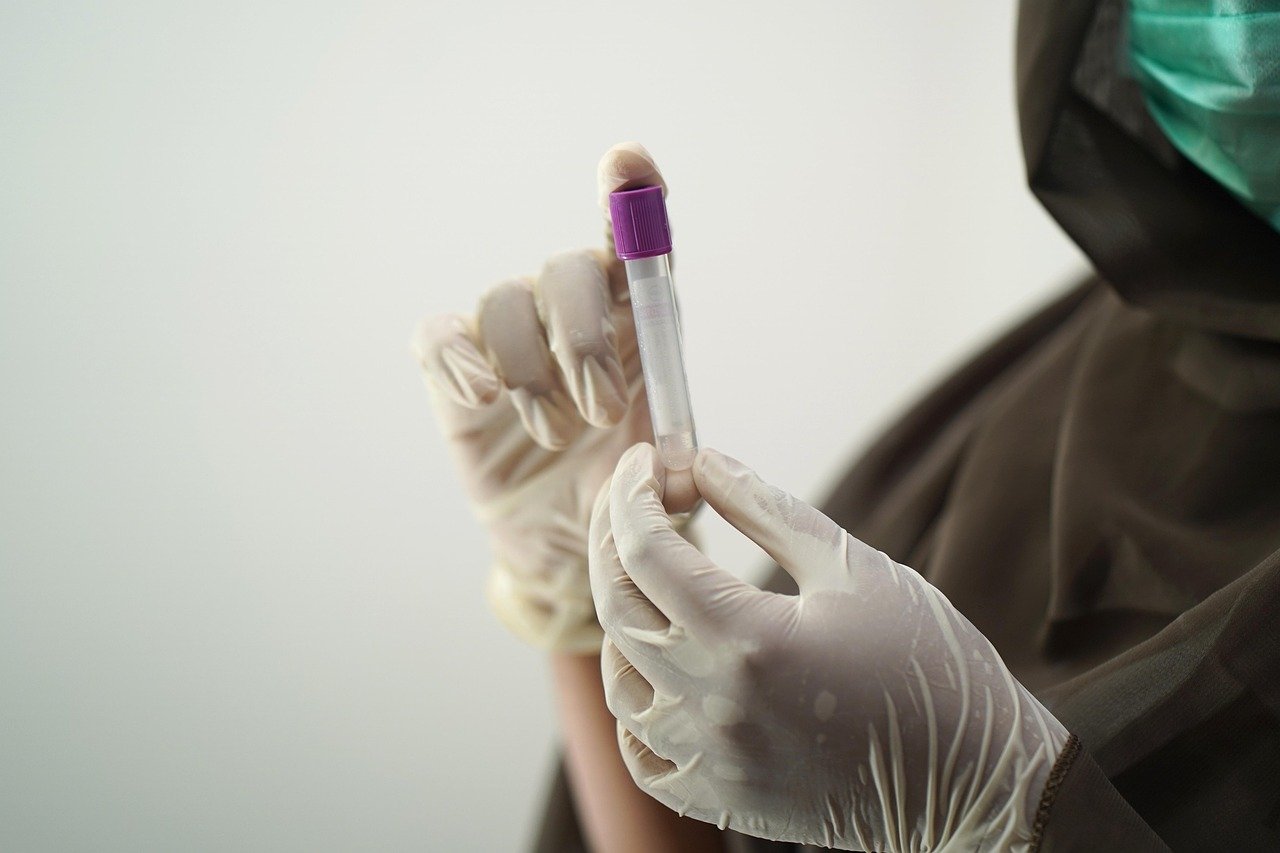
Understanding your internal health often begins with a simple vial of blood, yet for many, those laboratory reports can feel like a foreign language. Taking the step to learn about common blood tests explained for beginners is one of the most proactive ways to engage with your wellness journey and understand the biological markers that reflect your body’s current state. These routine screenings act as a window into your physiology, offering insights that are often invisible to the naked eye.
The Importance of Routine Blood Work
Routine diagnostic testing is a cornerstone of modern preventive care. By analyzing specific components within the blood, healthcare providers can monitor how well organs are functioning and identify potential imbalances before they manifest as physical symptoms. Knowledge is power; when you understand why a specific test is ordered, you become a more informed participant in your own healthcare discussions.
Why Providers Order Screenings
There are several reasons why a medical professional might request a blood draw. These include:
- Baseline Monitoring: Establishing what is “normal” for your specific body.
- Risk Assessment: Evaluating the likelihood of developing certain conditions based on lipid levels or glucose markers.
- Organ Function: Checking the efficiency of the kidneys, liver, and heart.
- Medication Management: Ensuring that specific treatments are working as intended without adverse effects.
The Complete Blood Count (CBC)
Perhaps the most frequent test you will encounter is the Complete Blood Count, or CBC. This test measures the various types of cells that circulate in your bloodstream. It provides a broad overview of your general health status and can help detect a wide range of imbalances.
Red Blood Cell (RBC) Markers
Red blood cells are responsible for carrying oxygen from your lungs to the rest of your body. A CBC looks at the total count of these cells, as well as hemoglobin (the protein that holds oxygen) and hematocrit (the proportion of red cells to plasma). If these levels are outside the standard range, it may indicate potential issues with oxygen transport or hydration levels.
White Blood Cell (WBC) Markers
White blood cells are the primary defenders of your immune system. There are several types of white blood cells, including neutrophils and lymphocytes. A high count might suggest the body is responding to an external stressor or inflammation, while a low count could indicate a potential issue with the body’s defensive capabilities.
Platelets
Platelets are the components responsible for blood clotting. If you sustain a cut, platelets clump together to stop the bleeding. Monitoring platelet levels is essential for understanding how well your blood may repair vascular damage.
The Basic Metabolic Panel (BMP)
While the CBC looks at cells, the Basic Metabolic Panel (BMP) looks at the chemistry of the plasma. This test measures eight different substances to evaluate your metabolism, kidney health, and electrolyte balance.
Electrolytes and Hydration
The BMP checks levels of sodium, potassium, chloride, and bicarbonate. These minerals are vital for maintaining proper fluid balance and ensuring that your muscles and nerves function correctly. Even slight deviations in these minerals can impact how you feel on a daily basis.
Blood Glucose
This marker measures the amount of sugar in your blood. Glucose is the primary energy source for the body’s cells. Standard screenings often require fasting to get an accurate reading of how your body regulates sugar without the immediate influence of a recent meal.
Kidney Function Markers
The BMP includes two critical markers for kidney health: Blood Urea Nitrogen (BUN) and Creatinine. These are waste products that the kidneys normally filter out of the blood. If these levels are elevated, it suggests that the kidneys may not be filtering as efficiently as they should be.
Lipid Panel: Understanding Cholesterol
The lipid panel is a specific test used to measure the amount of fat molecules (lipids) in your blood. This is a key tool for assessing cardiovascular health and the condition of your arteries.
- Total Cholesterol: The overall measurement of cholesterol in the blood.
- LDL (Low-Density Lipoprotein): Often referred to as “bad” cholesterol because high levels can be associated with a buildup in the arteries.
- HDL (High-Density Lipoprotein): Often called “good” cholesterol because it helps remove LDL from the bloodstream.
- Triglycerides: A type of fat used for energy; high levels are often associated with the consumption of excess calories.
Liver Function Tests (LFTs)
The liver is the body’s primary filtration plant, responsible for detoxifying the blood and producing essential proteins. Liver function tests measure enzymes and proteins that the liver releases. For example, high levels of enzymes like ALT or AST can indicate that liver cells are under stress or may have been damaged.
Albumin and Bilirubin
Albumin is a protein made by the liver that keeps fluid from leaking out of blood vessels. Bilirubin is a waste product produced during the normal breakdown of red blood cells. Tracking these values helps professionals understand how well the liver is processing waste and maintaining protein levels.
Preparing for Your Blood Test
To ensure the most accurate results, preparation is key. Always follow the specific instructions provided by your healthcare facility, as different tests have different requirements.
Fasting Requirements
Some tests, like the lipid panel and glucose test, usually require you to fast (not eat or drink anything except water) for 8 to 12 hours. Consuming food before these tests can cause temporary spikes in sugar or fats, potentially leading to inaccurate data.
Hydration and Comfort
Staying well-hydrated with water is generally recommended before a blood draw. When you are hydrated, your veins are easier to locate, making the process faster and more comfortable. It is also helpful to wear a shirt with sleeves that can be easily rolled up.
Final Guide: A Practical Summary
Navigating your health data does not have to be overwhelming. Follow these steps to make the most of your next screening:
- Ask for Clarification: When a test is ordered, ask your provider which specific markers are being checked and why.
- Confirm Fasting: Double-check if you need to fast. Note that black coffee and tea can sometimes interfere with certain results, so stick to plain water.
- Request a Copy: Always ask for a printed or digital copy of your results for your personal records.
- Review Trends: Don’t just look at a single result. Compare your current numbers to previous years to see how your health markers are trending over time.
- Consult a Professional: Remember that “normal” ranges are based on population averages. A qualified healthcare professional is necessary to interpret your results in the context of your unique medical history, age, and lifestyle.
By understanding these common blood tests, you transition from being a passive observer to an informed advocate for your own longevity and well-being.
