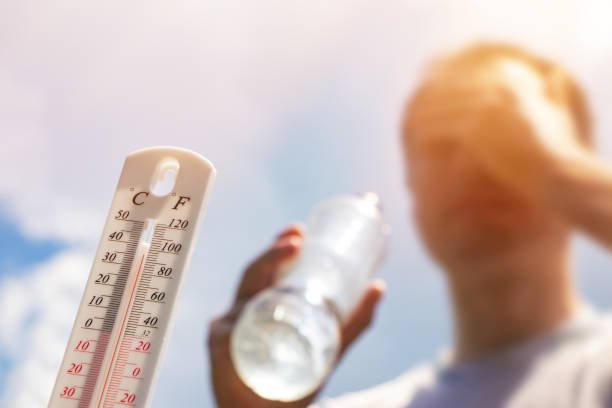
When the sun blazes and the thermometer climbs to record-breaking levels, your body enters a silent, high-stakes battle to stay cool. You might feel beads of sweat on your brow or a sudden wave of lethargy, but beneath the surface, your cardiovascular and nervous systems are working overtime to prevent internal temperatures from reaching dangerous levels. Understanding how extreme heat affects the human body is not just a matter of comfort; it is a vital piece of health literacy in an increasingly warming world. When your body struggles to cool down, the physiological chain reaction that follows can be profound, impacting everything from brain function to kidney health.
The Internal Thermostat: How Your Body Manages Heat
Human beings are homeothermic, meaning we must maintain a relatively constant internal body temperature—roughly 98.6°F (37°C)—regardless of the environment. The brain’s hypothalamus acts as a sophisticated thermostat, constantly monitoring blood temperature and receiving signals from the skin.
When the environment becomes too hot, the hypothalamus triggers two primary cooling mechanisms:
- Vasodilation: The heart pumps faster, and blood vessels near the skin’s surface dilate. This redirects warm blood from the core to the extremities, allowing heat to escape through the skin.
- Sweating: Eccrine glands release moisture onto the skin. As this sweat evaporates, it pulls heat away from the body, providing a cooling effect.
- Respiratory Cooling: To a lesser extent, heat is lost through the moisture in your breath as you exhale.
When the Cooling System Fails
The efficiency of these systems depends heavily on external factors. For example, high humidity can prevent sweat from evaporating, effectively stripping the body of its primary cooling tool. When the ambient temperature exceeds the body’s temperature, heat is gained from the environment rather than lost to it, creating a situation where the body struggles to cool down.
The Physiological Chain Reaction to Heat Stress
As the struggle to maintain thermal balance continues, the body begins to prioritize certain functions over others. This shift in resources leads to several distinct physiological stages of heat stress.
Cardiovascular Strain
Because the body is trying to move heat to the skin, the heart must beat significantly faster and harder. This increase in cardiac output can be taxing. For individuals with underlying conditions, this extra workload can lead to exhaustion as the heart competes with muscles and vital organs for oxygenated blood.
Dehydration and Electrolyte Imbalance
Prolonged sweating leads to the loss of not just water, but essential salts like sodium and potassium. These electrolytes are critical for nerve signaling and muscle contraction. When levels drop too low, you may experience muscle cramps, dizziness, or a decline in cognitive sharpness.
Impact on the Brain and Nervous System
The brain is highly sensitive to temperature fluctuations. As the body’s core temperature rises, the blood-brain barrier may become more permeable. This can lead to inflammation and a decrease in coordination. You might notice symptoms like confusion, irritability, or a slowed reaction time, which are the brain’s ways of signaling that it is under duress.
Understanding the Progression of Heat-Related Conditions
Medical professionals generally categorize the body’s failure to cool down into several stages, ranging from mild discomfort to severe systemic failure.
Heat Syncope and Edema
Early signs that the body is struggling include heat syncope (fainting) and heat edema (swelling in the ankles and hands). Fainting often occurs because dilated blood vessels cause blood to pool in the legs, briefly reducing blood flow to the brain.
Heat Exhaustion
This is a more serious state where the body has lost excessive amounts of water and salt. Symptoms often include heavy sweating, a rapid pulse, nausea, and feeling faint. At this stage, the body is still attempting to cool itself, but it is reaching the limits of its endurance.
Heatstroke: A Critical Emergency
Heatstroke is the most severe form of heat illness. It occurs when the body’s core temperature rises above 104°F (40°C). At this point, cooling mechanisms may shut down entirely; the person may stop sweating even though they are dangerously hot. This high internal heat can potentially lead to the damage of vital organs, including the brain, liver, and kidneys.
Factors That Influence Heat Sensitivity
Not everyone reacts to extreme heat in the same way. Several factors can determine how effectively a person can dissipate heat:
- Age: Children and the elderly often have less efficient thermoregulation systems.
- Medications: Certain substances can inhibit sweating or affect the heart’s ability to increase output.
- Acclimatization: The body can gradually adapt to heat over one to two weeks, improving its sweating efficiency.
- Hydration Levels: Without adequate fluid intake, the body lacks the raw materials needed for sweat.
FAQs
Why does humidity make heat feel worse?
Humidity measures the amount of moisture in the air. When humidity is high, sweat cannot evaporate off your skin efficiently. Since evaporation is the body’s main way of cooling down, high humidity causes you to retain more heat.
How much water should I drink during a heatwave?
While specific needs vary, health organizations generally recommend drinking water frequently, even if you do not feel thirsty. Avoiding caffeine and alcohol is also suggested, as these can contribute to dehydration.
Can you get heatstroke indoors?
Yes. If an indoor environment lacks ventilation or air conditioning and the ambient temperature remains high, the body can overheat just as easily as it would outdoors. This is particularly common in top-floor apartments during prolonged heatwaves.
What is the difference between heat exhaustion and heatstroke?
Heat exhaustion involves heavy sweating and a rapid pulse, but the body is still trying to regulate its temperature. Heatstroke is a medical emergency where the body’s temperature exceeds 104°F and internal cooling systems fail, often resulting in altered mental states or unconsciousness.
Conclusion
Understanding how extreme heat affects the human body is the first step in staying safe during rising temperatures. When the body struggles to cool down, it initiates a complex series of physiological responses designed to protect your core organs. By recognizing the signs of heat stress and understanding the importance of hydration and shade, you can better navigate the challenges of extreme weather. Always prioritize cooling down and consult a healthcare professional if you or someone else shows signs of severe heat distress.
