While many health conditions appear suddenly, neurological shifts often emerge as quiet whispers long before they become loud enough to ignore. Recognizing the early signs of Parkinson’s disease is not about jumping to conclusions; it is about cultivating a proactive awareness of how the human body communicates its needs through subtle changes in movement, mood, and biological rhythms. By understanding these initial signals, individuals and their families can move from a state of uncertainty toward a path of informed clarity and professional consultation.
Understanding the Progression of Parkinson’s Disease
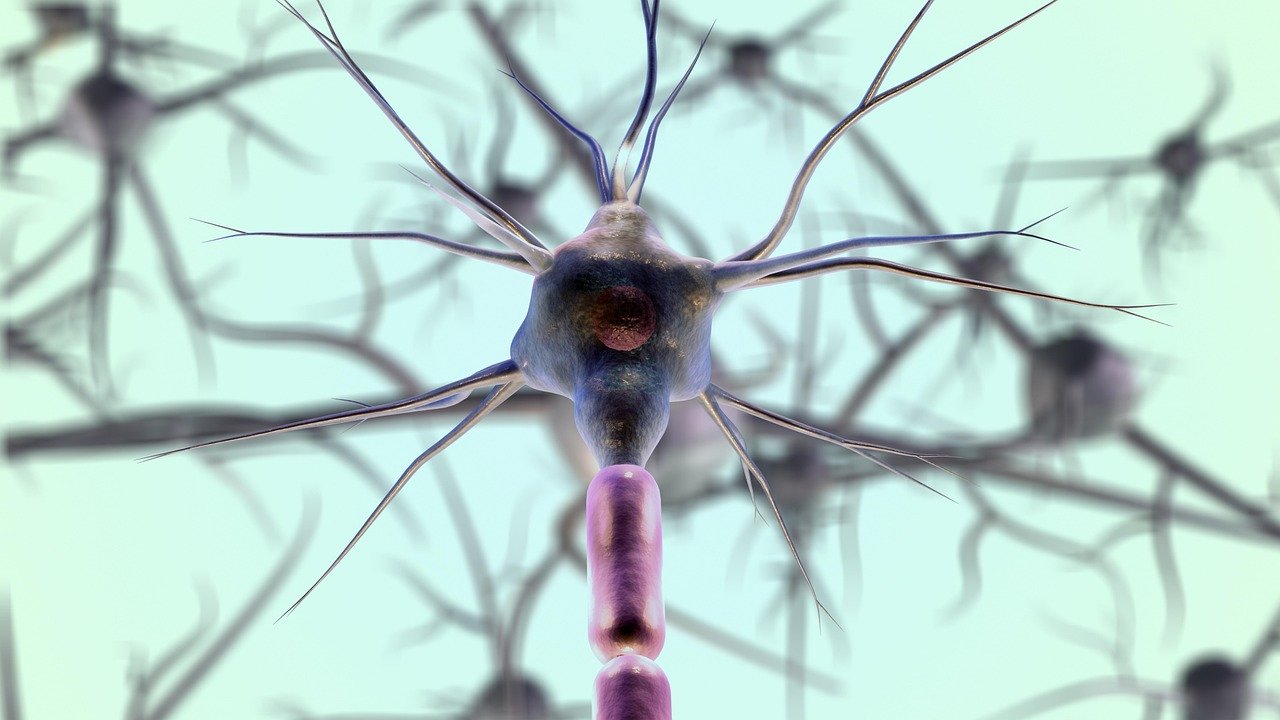
Parkinson’s disease is a progressive neurological disorder that primarily affects dopamine-producing neurons in a specific area of the brain called the substantia nigra. Because the brain is highly adaptable, it often compensates for early cellular changes, meaning the outward symptoms may appear gradually. For many, the first indications are so slight that they are often attributed to the natural aging process or minor fatigue.
However, the medical community suggests that early detection may be a cornerstone of effective long-term management. While every individual’s experience is unique, certain patterns have been identified by researchers and clinicians that may serve as early indicators of the condition.
Common Motor Symptoms in the Early Stages
Motor symptoms are typically the most recognizable signs of the condition, as they directly impact physical movement and coordination. These changes often begin on one side of the body and may remain more pronounced on that side even as the condition progresses.
1. Resting Tremors
A slight shaking or tremor in a finger, thumb, hand, or chin while at rest is one of the more frequent early signs of Parkinson’s disease. This is often described as a “pill-rolling” tremor, where the thumb and index finger rub together in a circular motion. It is important to note that tremors can also occur due to stress, caffeine, or other medications, but a tremor that occurs specifically when the muscle is relaxed is a common focal point for clinical evaluation.
2. Micrographia (Small Handwriting)
You might notice that the way you write has changed. A person developing Parkinson’s may find that their handwriting has become much smaller than it was in the past. Words may become crowded together, and the size of the letters may decrease as the writing progresses across the page.
3. Bradykinesia (Slowness of Movement)
Over time, Parkinson’s may slow movement, making simple tasks difficult and time-consuming. Steps may become shorter when walking, or it may be difficult to get out of a chair. A person might feel a sense of heaviness in their limbs, or they may notice that they are not swinging one arm as naturally as the other while walking.
Non-Motor Symptoms: The Silent Indicators
Research has shown that non-motor symptoms can sometimes appear years before the onset of tremors or stiffness. These symptoms are often overlooked because they mimic common ailments, but when they appear in combination, they may provide a more comprehensive picture for healthcare providers.
Sleep Disturbances and REM Behavior Disorder
Sudden movements during sleep can be more than just a restless night. REM Sleep Behavior Disorder (RBD) involves physically acting out dreams, which may include kicking, punching, or falling out of bed. While not everyone with sleep issues will develop a neurological condition, persistent and vigorous sleep movements are noted by organizations like the Parkinson’s Foundation as potential early markers.
Loss of Sense of Smell (Hyposmia)
If you find that you can no longer smell certain foods like pickles, licorice, or bananas, it may be worth noting. While a cold or flu can temporarily dull the senses, a persistent loss of smell that cannot be explained by a sinus issue is a frequently reported early symptom that may precede motor changes by several years.
Changes in Voice and Facial Expression
Sometimes, others might notice changes before the individual does. The voice may become softer or breathy, a symptom often referred to as hypophonia. Additionally, a phenomenon known as “masking” may occur, where the face appears serious, depressed, or expressionless, even when the person is feeling a range of emotions. This is attributed to the loss of small muscle movements in the face.
Postural Changes and Physical Stiffness
Stiffness in the body, particularly in the shoulders and hips, that does not go away as you move can be a sign. While arthritis causes similar sensations, Parkinsonian stiffness (rigidity) is often accompanied by a feeling that the feet are “stuck to the floor” or a noticeable stoop in posture.
- Rigidity: A lack of flexibility in the limbs that persists regardless of stretching.
- Stooping: A tendency to lean forward or appear hunched while standing.
- Reduced Arm Swing: One arm stays stiffly at the side while walking instead of swaying naturally.
When to Seek a Professional Opinion
It is crucial to remember that having one of these symptoms does not automatically mean a person has Parkinson’s disease. Many of these signs can be caused by other health factors. However, if you or a loved one notices a cluster of these symptoms emerging over time, the most responsible course of action is to schedule an appointment with a primary care physician or a neurologist specializing in movement disorders.
The Importance of Specialized Care
Neurologists use a variety of clinical assessments to determine the cause of these symptoms. Because there is no single blood test to diagnose Parkinson’s, doctors rely on a thorough medical history, a review of signs and symptoms, and a neurological and physical examination. Early identification allows for a broader range of lifestyle adjustments and management strategies that may improve quality of life.
Final Guide: A Practical Summary for Awareness
If you are concerned about neurological health, follow these steps to organize your observations for a medical professional:
- Document Observations: Keep a simple log of symptoms. Note when they occur (at rest or during movement) and how long they last.
- Check the “Big Ten”: Familiarize yourself with the ten warning signs provided by the National Parkinson’s Foundation, including tremor, small handwriting, loss of smell, and trouble sleeping.
- Review Medications: Some medications can cause symptoms that mimic Parkinson’s. Have a complete list of current prescriptions ready for your doctor.
- Consult a Specialist: If your primary doctor is unsure, ask for a referral to a neurologist or a movement disorder specialist who has specific expertise in this field.
- Stay Informed: Continue reading evidence-based resources from reputable organizations like the Michael J. Fox Foundation or the Mayo Clinic to stay empowered with knowledge.
Disclaimer: This article is for informational purposes only and does not constitute medical advice, diagnosis, or treatment. Always seek the advice of your physician or other qualified health provider with any questions you may have regarding a medical condition.
